著者フォロー


価格への影響
価格転嫁は、消費者が100%負担する形か、企業が100%またはある程度吸収する形のどれかである。ハンガリーのケースなどでは、最低賃金による価格上昇の75%は消費者が負担した。日本においてもそれぐらいの負担を企業ではなく我々消費者がすることを覚悟しておいた方がいいだろう。
さらに、中小企業が潰れ、大企業が市場のシェアを伸ばせば、競争が減り必然的に価格はより高くなる。周りにスーパーがいないところで営業するスーパーは、無理して値段を下げなくても消費者が買ってくれるからである。
上記の非貿易部門であるスーパーでの物の値段やサービスの値段、飲食代やホテル代が、今後数年で大きく上昇する可能性も考えておくべきだ。
結論:誰が恩恵を受けて、誰が損をするのか
さて、前編も含めこれまでの議論を総括すると、
(1)最低賃金労働者の多くは中間層以上の非世帯主
(2)今回の最低賃金引き上げで、日本においては、最低賃金レベルの雇用の約2.3から3%が全体で失われ、学歴の低い若い男性のこのレベルの賃金の雇用が7%減る
(3)地方でこの雇用喪失が比較して大きいことが予想される
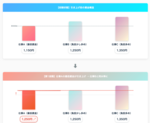
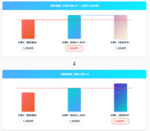
(4)「賃上げ波及」は大体1500円強レベルの賃金の仕事にまで及ぶ
(5)波及は海外と競争する業種かどうかで違う
(6)零細企業はつぶれ、より生産性が高くより規模の大きい企業がシェアを伸ばす
(7)物価が上がる
最低賃金引き上げのメリット・デメリットがある程度浮き彫りになったのではないだろうか。
賃上げ波及による賃金の格差是正がある程度期待される一方、波及効果はどこまでも続くわけではない。生産性の低い企業が淘汰される一方、貧困層を吸収してきた雇用は減少し、コスト増に加え競争の低下による更なる物価上昇圧力も強まる。
すでに物価上昇にあえいでいる庶民にとっては、最低賃金引き上げのニュースを聞いて、「自分の給料も増える」と考えるのは、置かれている立場によってはぬか喜びとなる。今後、政府がバラマキをしない形で具体的な対策を打ち出せるかが問題だ。
(前編も読む)最低賃金を引き上げても貧困対策にならない?経済学が示唆する不都合な真実…むしろ低賃金の雇用にはマイナス効果も
【参考文献】
• Cengiz, Doruk, Arindrajit Dube, Attila Lindner, and Ben Zipperer. (2019). "The Effect of Minimum Wages on Low-Wage Jobs." The Quarterly Journal of Economics, 134(3), 1405–1454.
• Cengiz, Doruk, Arindrajit Dube, Attila Lindner, and David Zentler-Munro. (2022). "Seeing beyond the Trees: Using Machine Learning to Estimate the Impact of Minimum Wages on Labor Market Outcomes." Journal of Labor Economics, 40, S203–S247.
• Dustmann, Christian, Uta Schönberg, and David Zentler-Munro. (2022). "Reallocation Effects of Minimum Wage." The Quarterly Journal of Economics, 137(1), 267–328.
• Engbom, Niklas, and Christian Moser. (2022). "Earnings Inequality and the Minimum Wage: Evidence from Brazil." The American Economic Review, 112(12), 3804–3846.
• Gopalan, R., Sojourner, A., & Wozniak, A. (2021). "State Minimum Wages, Employment, and Wage Spillovers: Evidence from Administrative Payroll Data." Journal of Labor Economics, 39(3), 669–707.
• Gregory, Terry, and Ulrich Zierahn. (2022). "When the minimum wage really bites hard: The negative spillover effect on high-skilled workers." Journal of Public Economics, 206, 104582.
• Harasztosi, Peter, and Attila Lindner. (2019). "Who Pays for the Minimum Wage?" American Economic Review, 109(8), 2693–2727.
• Jardim, Ekaterina, Mark C. Long, Robert Plotnick, Emma van Inwegen, Jacob Vigdor, and Hilary Wething. (2022). "Minimum-Wage Increases and Low-Wage Employment: Evidence from Seattle." American Economic Journal: Economic Policy, 14(2), 263–314.
• Kanayama, Hayato, Sho Miyaji, and Suguru Otani. (2025). "Who Bears the Cost? High-Frequency Evidence on Minimum Wage Effects and Amenity Pass-Through in Spot Labor Markets" (First version: May 7, 2025).
• Kawaguchi, Daiji, and Yoshio Mori. (2021). "Estimating the effects of the minimum wage using the introduction of indexation." Journal of Economic Behavior & Organization, 184, 388–408.
• Okudaira, Hiroko, Miho Takizawa, and Kenta Yamanouchi. (2019). "Minimum wage effects across heterogeneous markets." Labour Economics, 59, 110–122.
• Smith, Christopher L., David H. Autor, and Alan Manning. (2015). "The Contribution of the Minimum Wage to US Wage Inequality over Three Decades: A Reassessment." American Economic Journal: Applied Economics, 8(1), 58–99.
•Mori, Y., and Okudaira, H. (2025). Higher Minimum Wage, Stagnant Income? The case of women's work hours in Japan. Research Institute of Economy, Trade and Industry (RIETI).
• Aaronson, Daniel, Sumit Agarwal, and Eric French. (2012) "The Spending and Debt Response to Minimum Wage Hikes."American Economic Review 102 (7): 3111–39.
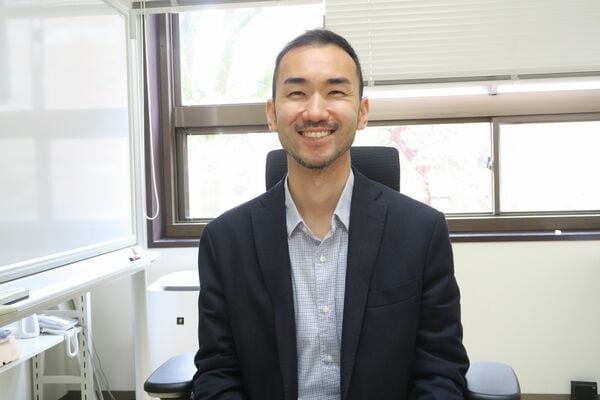 小泉秀人(こいずみ・ひでと)一橋大学イノベーション研究センター専任講師
公共経済学・ミクロ理論が専門で、近年は運と格差をテーマに研究に取り組む。2011年アメリカ創価大学教養学部卒業、12年米エール大学経済学部修士課程修了、12〜13年イノベーション・フォー・パバティアクション研究員、13〜14年世界銀行短期コンサルタント、20年米ペンシルベニア大学ウォートン校応用学部博士後期課程修了、20年一橋大学イノベーション研究センター特任助教、21〜24年一橋大学イノベーション研究センター特任講師、23〜25年経済産業研究所(RIETI)政策エコノミスト、25年4月から現職。WEBサイト、YouTube「経済学解説チャンネル」